

Nourish your nervous system.
M A S S A G E stimulates the nervous system via the peripheral nerves in the skin. Therapeutic touch helps to regain balance within the central nervous system by engaging the parasympathetic division to calm the mind and body, restoring balance within.
-
Massage promotes the production of serotonin, a neurotransmitter that the brain uses to produce melatonin, a hormone that influences the sleep stage of our circadian rhythm. Massage also activates the parasympathetic nervous system, allowing our body to relax.
-
Massage can help the mind and body to relax by activating the parasympathetic nervous system which acts to calm the body and brain. Massage has also been shown to lower cortisol levels and make changes in areas of the brain that regulate emotions and stress response, including the amygdala and hypothalamus.
-
Massage can provide substantial healing and pain relief by reducing inflammation in joints, increasing range of motion, and reducing tension in muscles and soft tissue. Therapeutic touch also releases endorphins which activate the body’s natural opiate receptors.
-
Massage substantially decreases the stress hormone, cortisol, and raises the body’s production and release of endorphins, a group of hormones released in the brain and nervous system. These hormones improve mood, boost self-esteem, reduce depression and anxiety, and may even improve memory and cognitive functioning.
Boosting Your Immune System
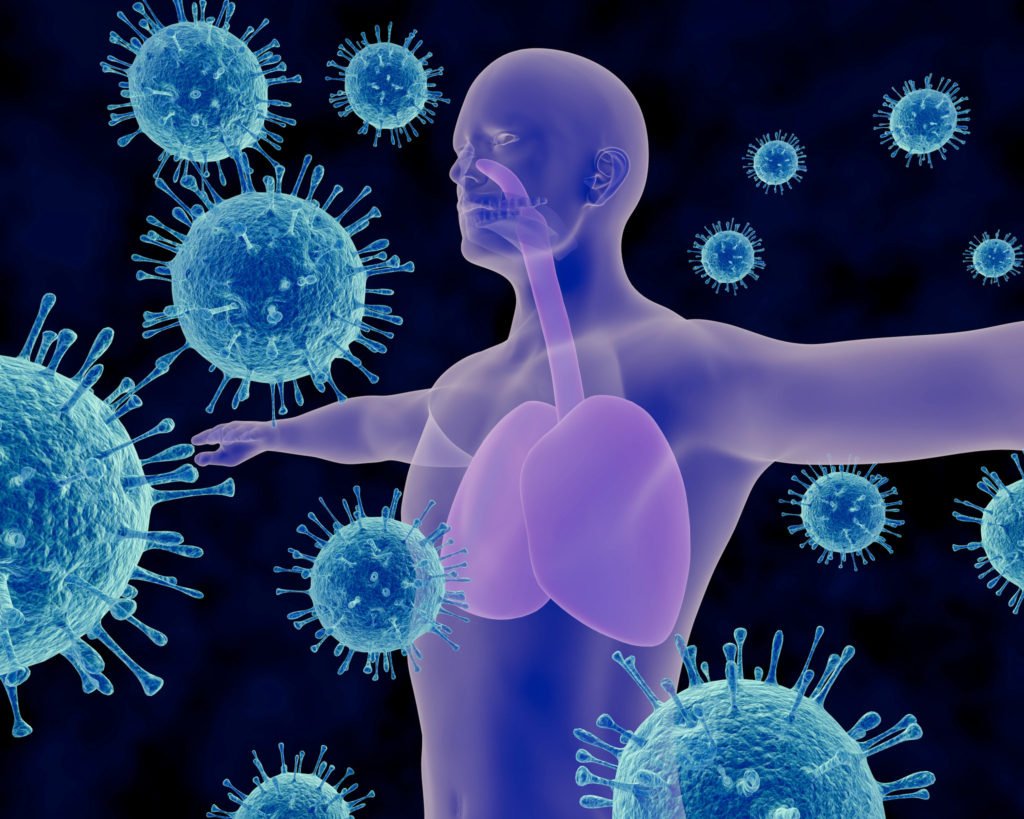
Studies have shown that the immune system can be effectively strengthened by massage with as little as one session. Massage enhances the body’s immune response by increasing the activity of natural killer cells. Massage can also substantially increase the number of white blood cells in the body, which play an important role in defending the body from disease.
What is CranioSacral Therapy?
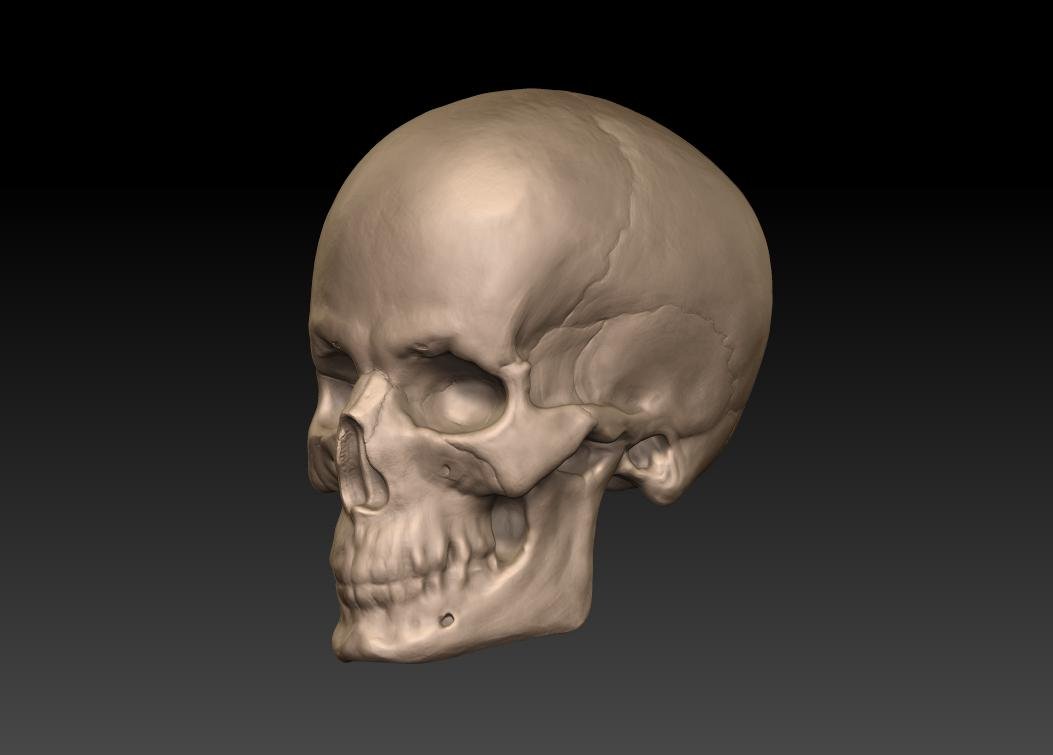
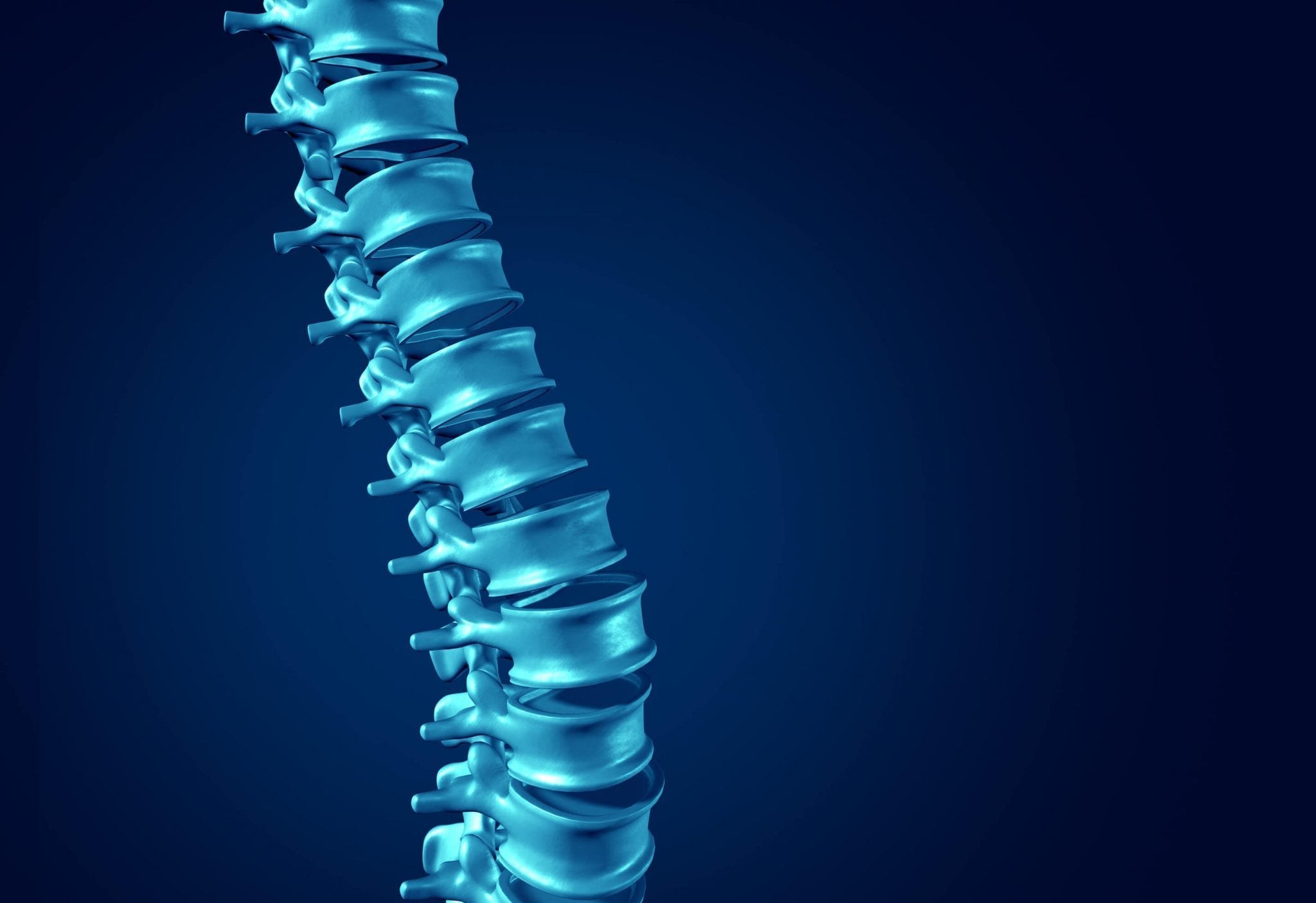
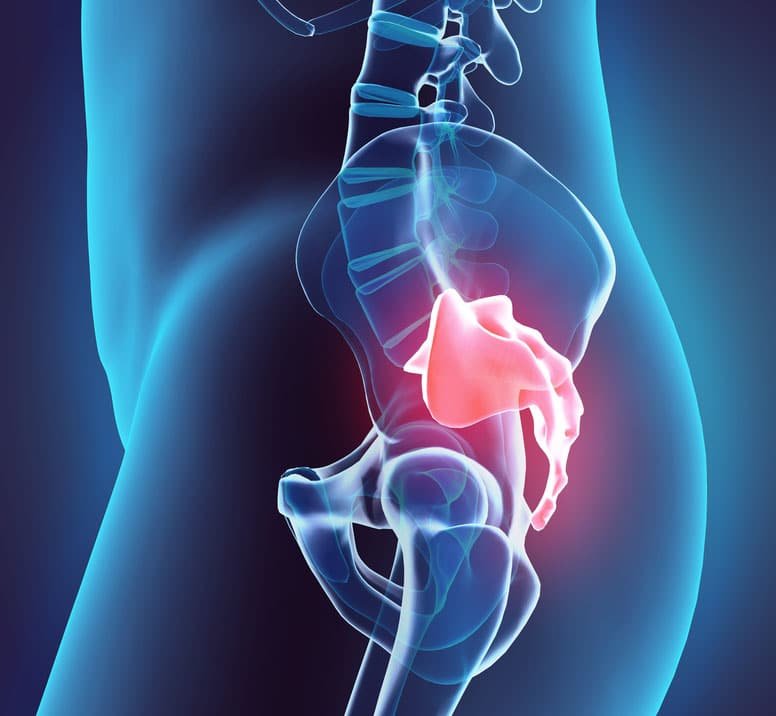
CranioSacral Therapy (CST) is a gentle, hands-on method of evaluating and enhancing the functioning of a physiological body system called the craniosacral system - comprised of the membranes and cerebrospinal fluid that surround and protect the brain and spinal cord. Using a soft touch generally no greater than 5 grams, or about the weight of a nickel, practitioners release restrictions in the craniosacral system, which has been shown to improve the functioning of the central nervous system, as well as many other systems of the body, such as digestive, musculoskeletal, respiratory, circulatory, and more. CST has also been shown to help with the physical components related to such somatic conditions as Post Traumatic Stress, depression and anxiety.
Addiction and Recovery
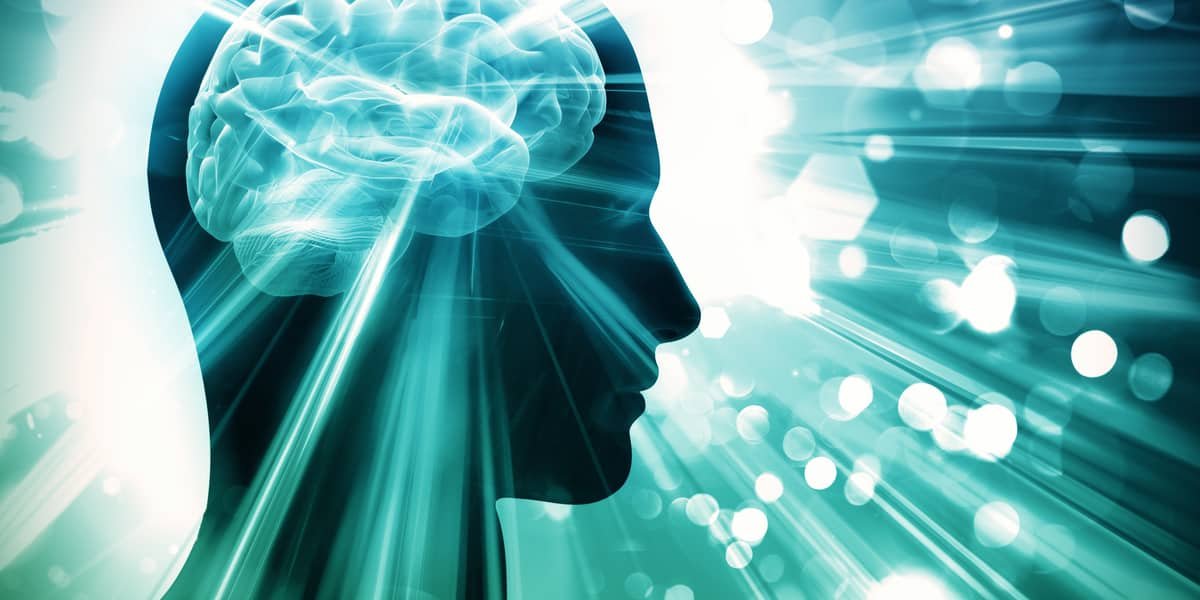
All addictions involve the same brain circuits and brain chemicals, whether its shopping, eating, video games, alcohol etc. Whatever the addiction may be, it’s the feel-good neurotransmitter - d o p a m i n e - that floods the brain’s reward system when you get that “fix”. This may be why massage, which has been proven to increase natural production of dopamine, can help those in recovery.
During early stages of withdrawal, dopamine drops significantly. Not only can this be an uncomfortable time, but physiological and emotional symptoms may manifest including pain, agitation, anxiety, and sleep issues, all of which massage has been shown to help.
Trauma and PTSD
What Trauma Does to the Body
A physical trauma creates a reaction between mind and body involving the subdivisions of the nervous system. It is the fight, flight, or freeze response of the sympathetic portion of the nervous system that is activating during a life threatening experience. Cortisol, norepinephrine, and other stress related hormones are released, affecting physiological operations of the body including blood pressure, heart rate, respiratory, digestive, reproductive, and immune system functioning.
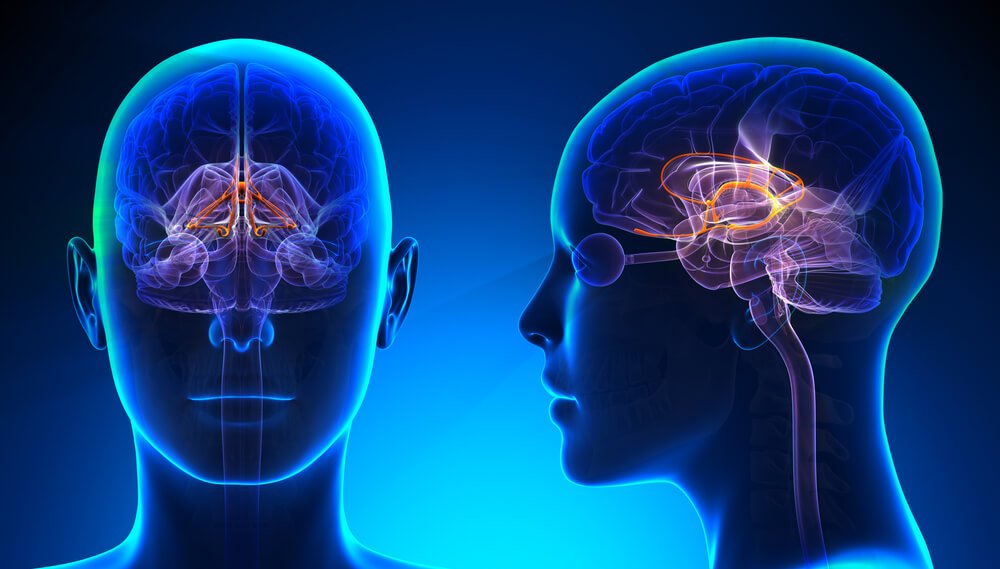
In the brain, the amygdala and other neural networks associated with the limbic system generate a hyper-vigilant state that can last long beyond the actual event of the trauma. If not addressed early, the trauma can cause lasting effects including PTSD and chronic pain. Even long after a trauma, the subconscious mind remembers. Memories associated with event, including smells, sounds, textures, tastes, and visuals, are stored within the limbic system to form an emotional picture deep within the brain.
How Massage Can Help?
Massage can help retrain the brain to remember pre-trauma neuronal pathways and create new connections to rebalance the nervous system. It can also facilitate a healthier relationship with touch because of chronic pain or emotional trauma. Retraining the mind and body with massage takes time, but progress can be made with shown improvements in posture, movement, flexibility, and emotional behavior. For emotional trauma, it is recommended to use other modalities such as psychological talk-therapy.